Non-alcoholic beer is no longer just trying to taste like “real beer.”
It’s trying to replace occasions.
What started as a quality-driven evolution with better liquids, better branding and fewer compromises has become something more ambitious. Today’s non-alc beers (NABs) aren’t just coming for alcohol’s share of throat; they’re eyeing entirely different categories altogether.
And if they are not already, energy drinks should be paying attention.
From Beer Substitute to Occasion Challenger
The obvious cross-category wins for NABs in the on-premise are still predictable: adult soft drinks, even bottled water during the classic “beer moment.” A non-alc pint instead of a Coke, an upgrade from water when you still want ritual, taste, and social inclusion?
But 0.0% alcohol does something far more powerful than reduce ABV, it removes constraints.
Without alcohol, beer suddenly has licence to show up in places it never could before: morning, midday, post-workout, during training, before driving, before competing.
And brands are starting to build for those moments.
Beer in the Gym Is No Longer a Gimmick
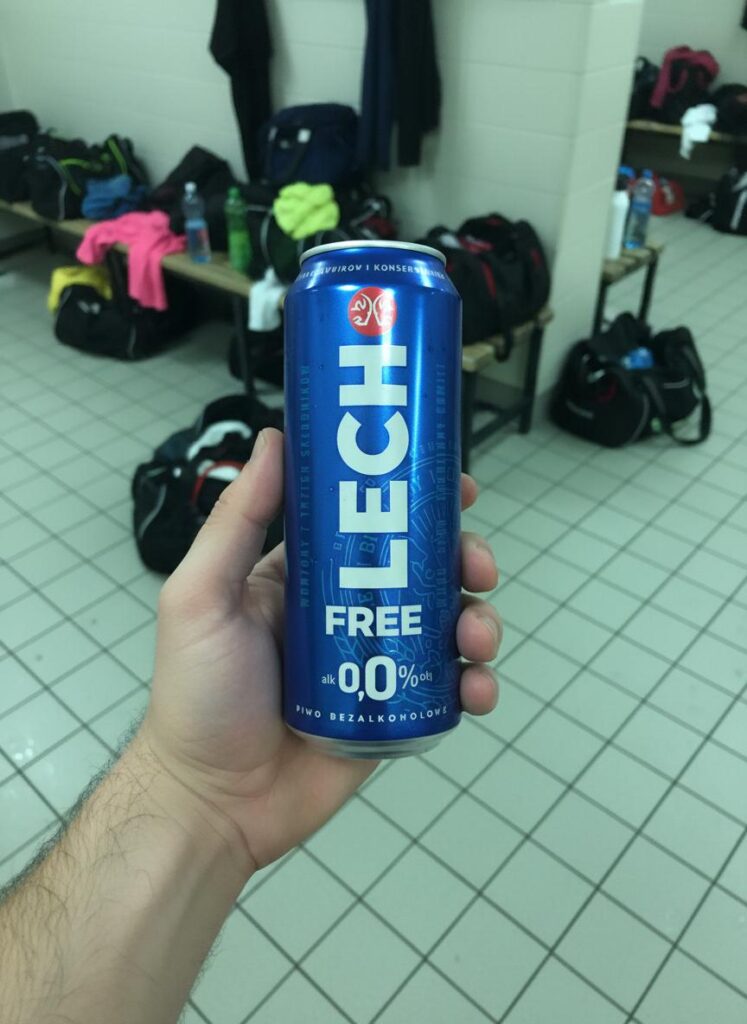
This isn’t new everywhere. In Germany, non-alcoholic beer has long been positioned as a functional recovery drink. Erdinger Alkoholfrei famously leaned into isotonic benefits decades ago, backing it up with marathon sponsorships, cycling festivals, and elite sport credibility. NAB wasn’t just “allowed” in fitness culture, it was endorsed by it.
At the last Winter Olympics, non-alc beer was reportedly used by athletes post-competition. Heineken now partners with one of Germany’s largest gym chains (McFit), and NAB is available directly on-site, even in vending machines.
What’s changed is that this positioning is now spreading – and mutating.
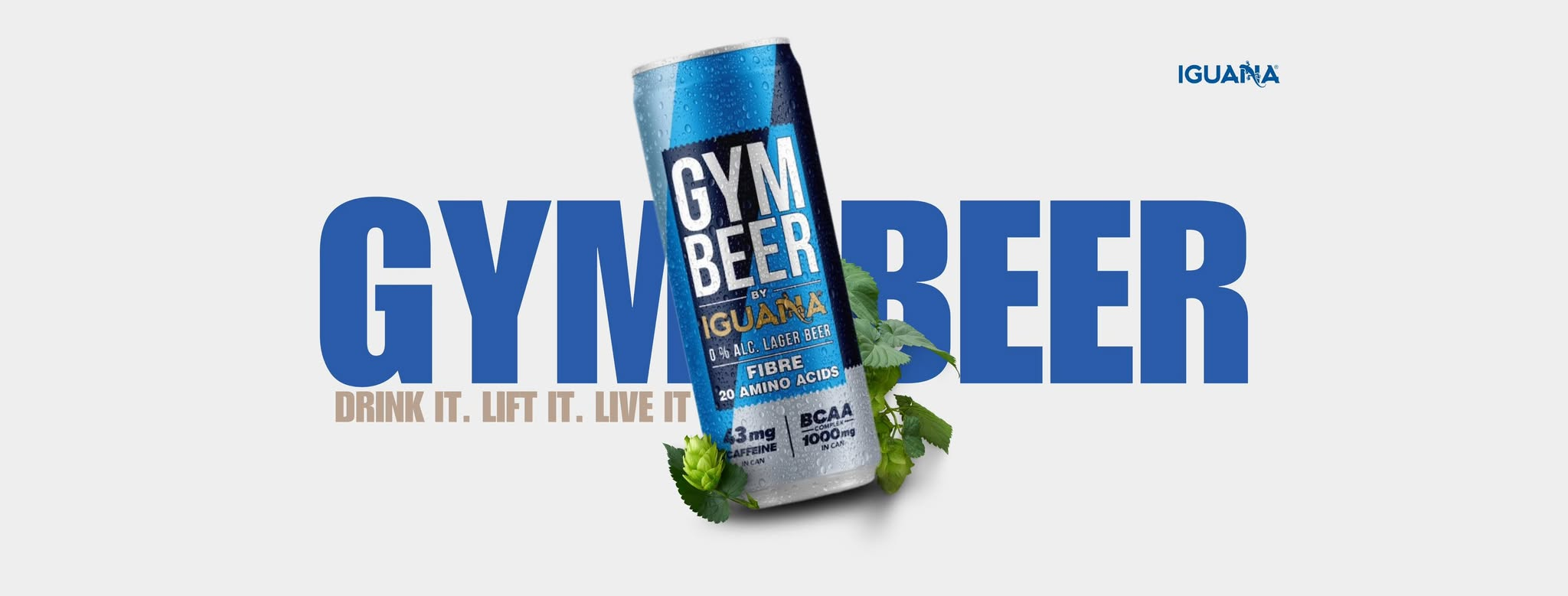
“Gym Beer” has landed in UK grocery, offering not just alcohol-free beer, but amino acids and caffeine (43mg per serving). That’s no longer a beer pretending to be healthy. That’s a functional beverage wearing beer’s clothes.
The Athlete Loophole Energy Drinks Didn’t See Coming
Alcohol kept beer locked out of direct athlete partnerships for decades, it was the reserve of the retired sportsperson. Energy brands owned that space almost uncontested; cycling, skiing, endurance, extreme sports.
NAB, especially brands that are entirely alcohol free, breaks that rule.
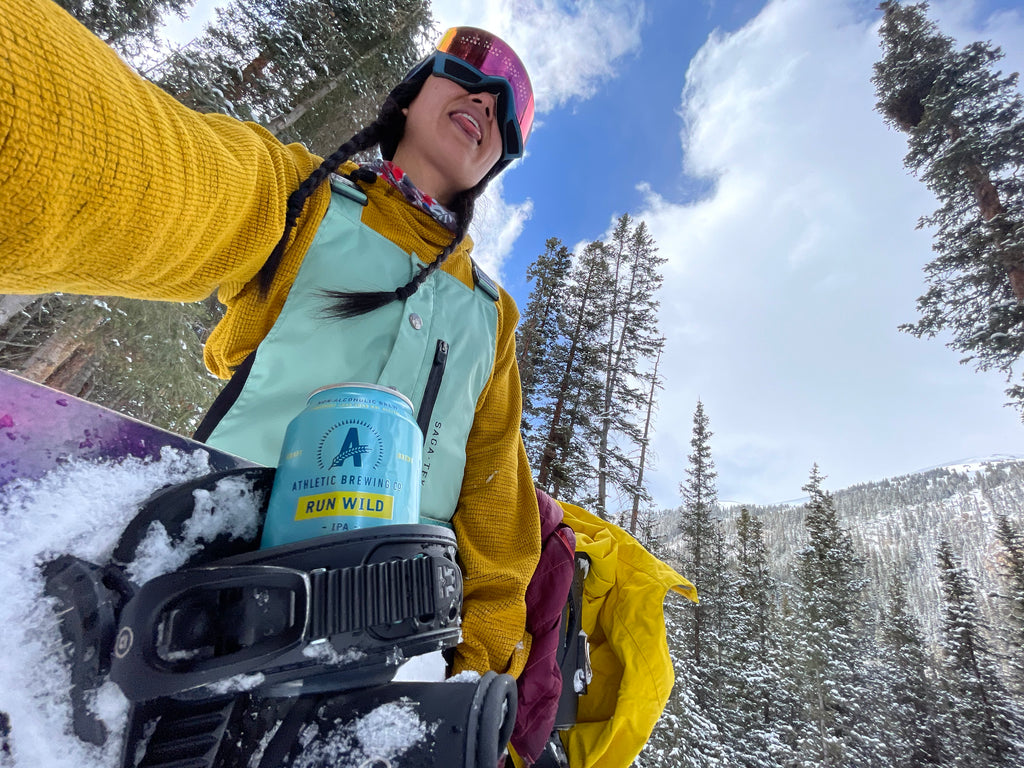
With no alcohol to apologise for, brands like Athletic Brewing can now sign ambassadors who would never have touched traditional beer. Skiers. Cyclists, Ultra-endurance athletes. Even emerging lifestyle sports where “energy” is less about spikes and more about sustainability.
This isn’t just about endorsements. It’s about permission. Beer brands are now allowed to participate in the same performance-led narratives energy drinks built their empires on.
Beer, Rewritten as a Functional Platform
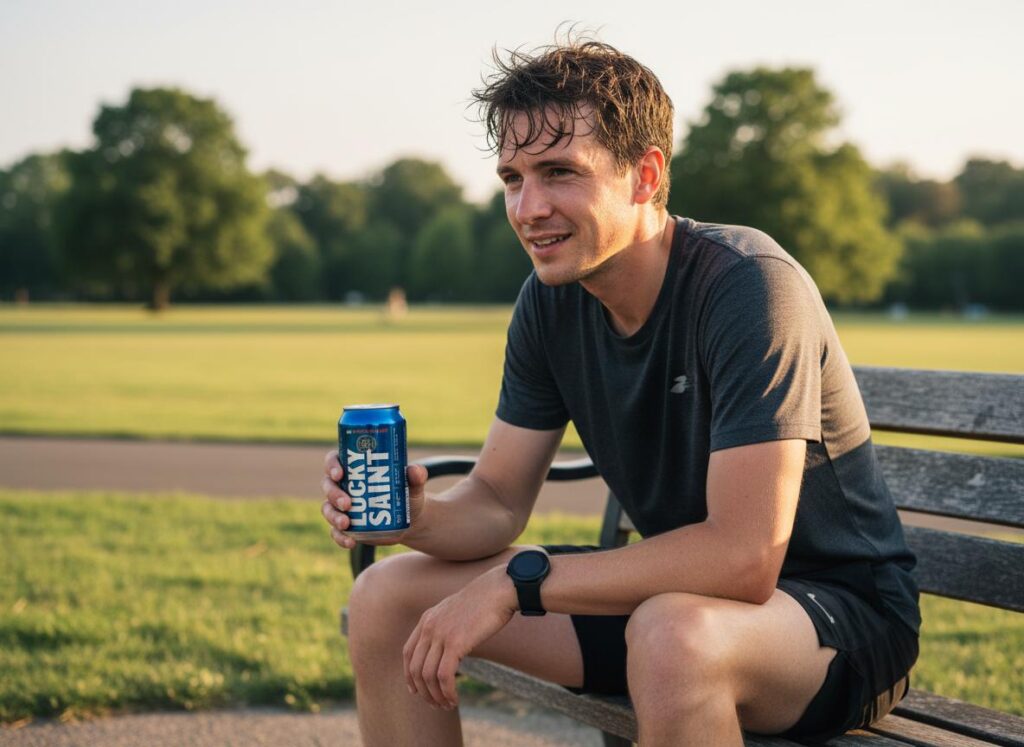
Strip away alcohol, and beer suddenly looks surprisingly competitive:
- Sustained energy without the crash
- Naturally derived ingredients
- Clean labels
- Lower sugar
- Functional add-ons: magnesium for endurance, protein for recovery, amino acids for performance
Energy drinks taught consumers to look for function. NABs can now deliver function plus taste, ritual, and social signalling.
The Bigger Question: Can NABs Scale Like Energy?
So, the real question isn’t whether non-alcoholic beer can borrow a few cues from energy drinks, it’s whether NAB can eventually play at the same scale.
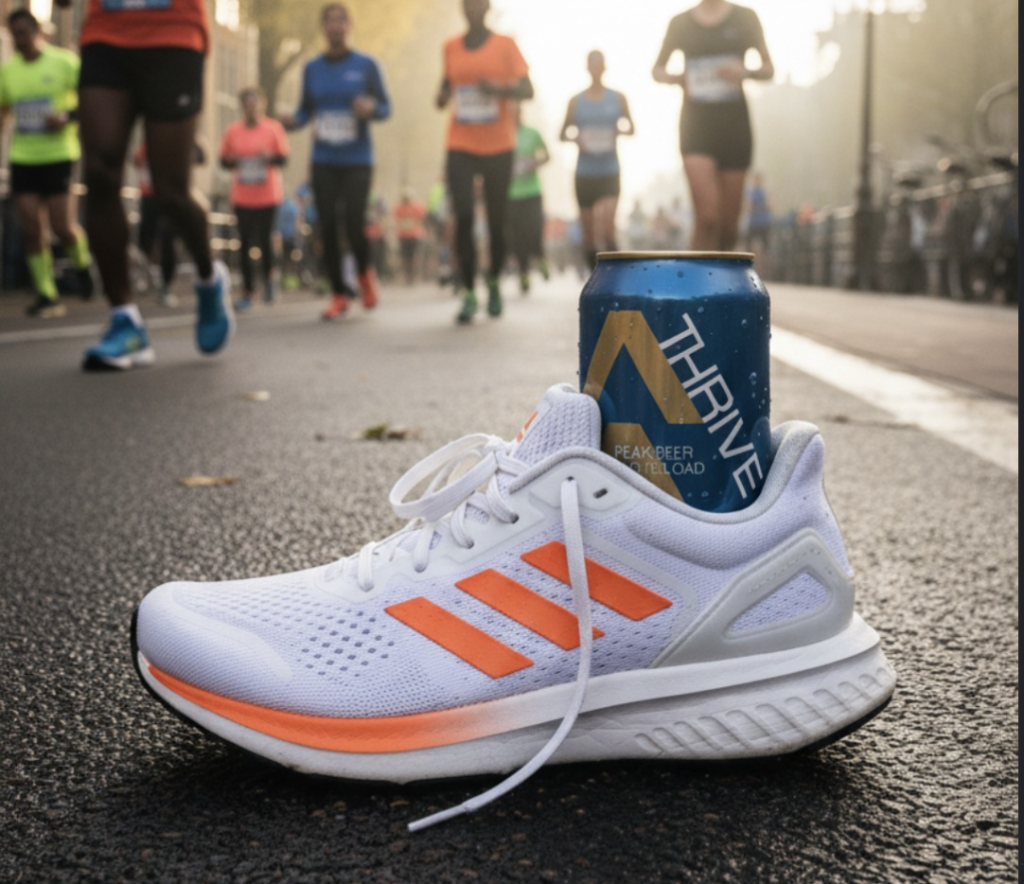
Could we see non-alc beer owning entire events, sponsoring teams, a racing series, even e-sports organisations? Becoming the default “fuel” for long-form participation rather than short-term stimulation?
If that happens, beer doesn’t just find new occasions, without the alcohol it can escape the traditional “beer moment” entirely and as a result have a new competitor set. It may create a white space that energy brands never thought they’d have to defend.