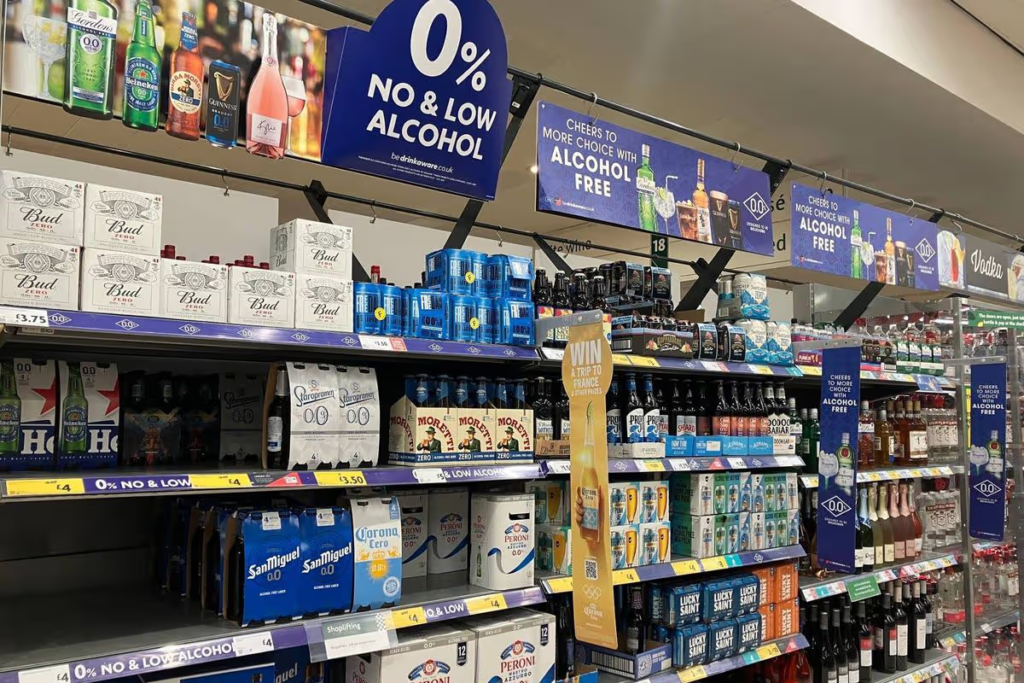
For decades, beer and alcohol have been synonymous to consumers around the world. But non-alcoholic beer (NAB) and low-alcohol beers are no longer niche curiosities – they’re part of mainstream culture.
A new definition for beer
This momentum signals a quiet but meaningful redefinition of beer among younger generations. Beer is no longer assumed to be alcoholic by default – alcohol is simply one variable within a broader experience shaped by taste, occasion and social context. For brands and marketers, this signals a future beer culture built around choice and participation, where staying relevant means formulating for flexibility, not just strength.
Taste comes first for Gen Z
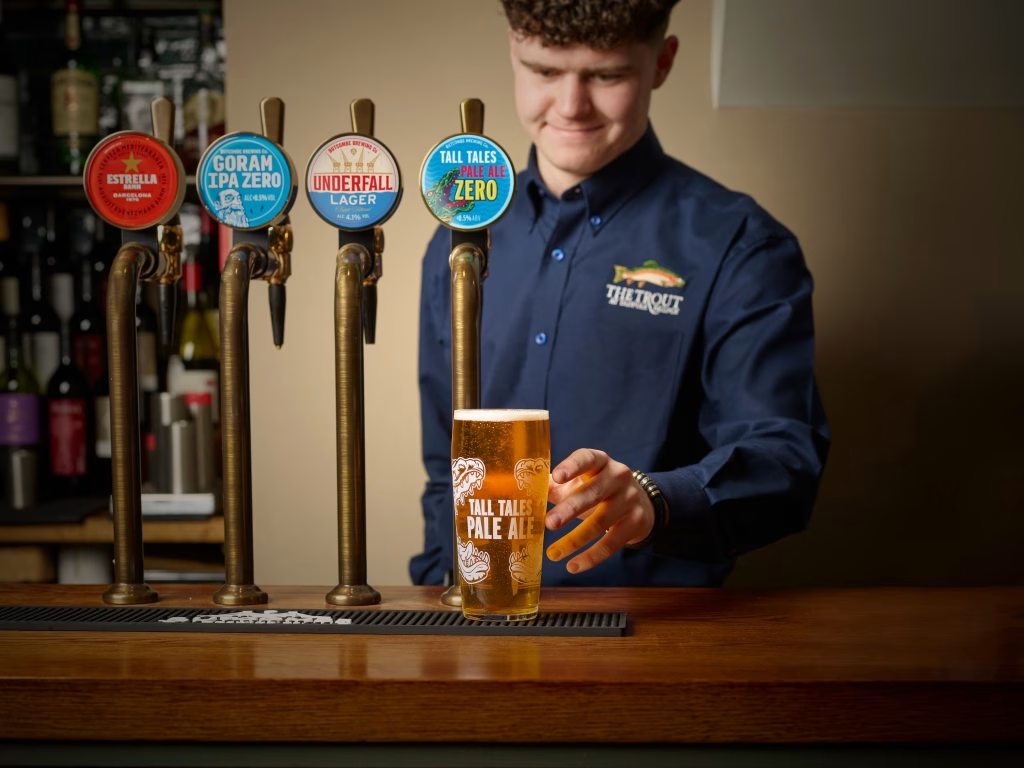
Gen Z’s beer choices are based primarily on taste, social experience and brand engagement, with alcohol content farther down the list of priorities. Recent data show that nearly two-thirds of young consumers cite taste as their top deciding factor in drink choice, while less than a third consider alcohol strength important when deciding what to drink.
Non-alcoholic options are no longer “back-up” drinks. Over half of Gen Z drinkers report choosing non-alcoholic or low-ABV beverages often or sometimes when socialising, signalling that these are intentional decisions rather than reluctant compromises. And while social pressures around alcohol haven’t disappeared, Gen Z has the highest share of any generation trialling NAB, suggesting young drinkers are engaging with beer culture on their own terms. During Dry January 2025, NAB sales spiked 65% among Gen Z and Millennials, illustrating that choosing to skip alcohol doesn’t equate to opting out of social occasions or beer culture itself.
The resulting shift
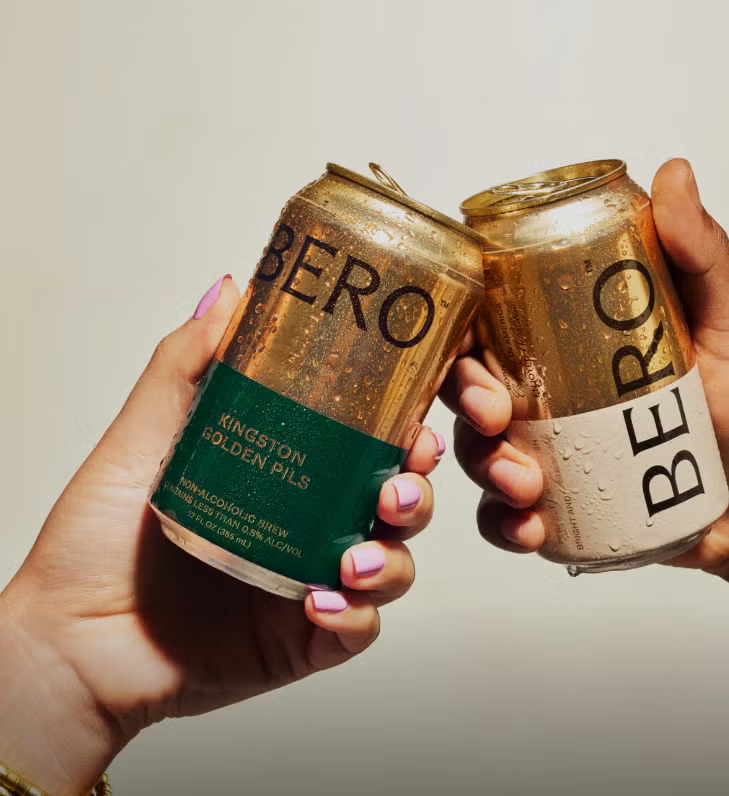
In the UK alone, around 200 million pints of low or no-alcohol beer were consumed in 2025, up 20% from the previous year, and nearly half of UK adults have tried a low or no-alcohol drink in the past year, with under-35s leading the charge. It’s no secret that the NAB market is seeing huge gains globally, accounting for roughly 2% of total beer volume worldwide, even as total beer consumption stagnates or declines in many markets.
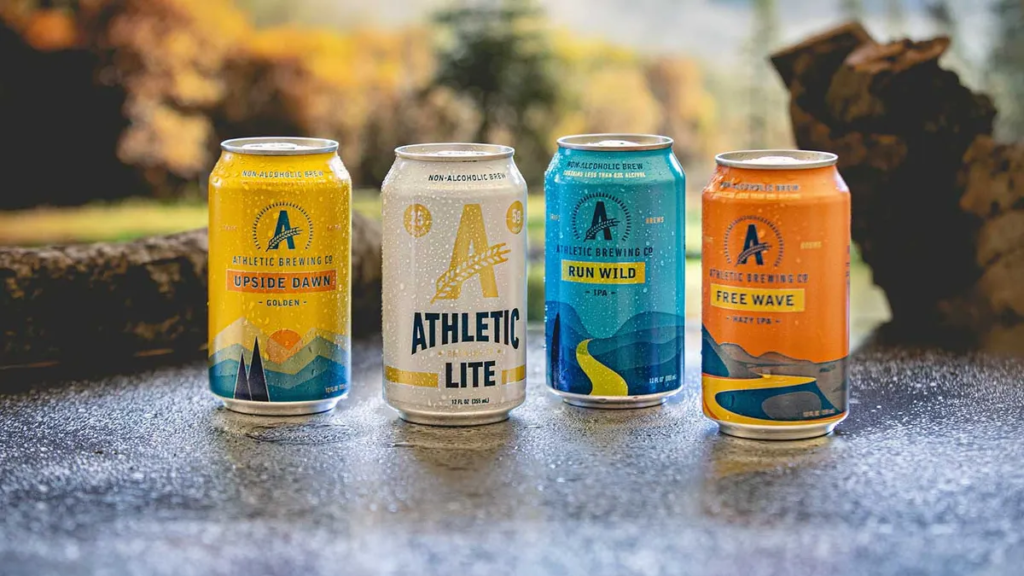
More traditional high-alcohol markets such as Germany are seeing higher adoption, with around 9% of beer production now alcohol-free. Further afield, craft brands such as Athletic Brewing are driving awareness and mainstream consumption in North America, while Japan and South Korea are seeing rising consumption linked to urban health trends and increasing disposable income.
While NAB still represents a smaller slice of total beer volume, it is disproportionately shaping perception, particularly among younger consumers. For this audience, beer has increasingly become a social ritual, with alcohol no longer the defining feature.
Written by: Elly Batty, Consultant