Earlier this month, I flew out to Athens for the annual Athens Bar Show. The event was incredibly impressive! A huge display of some of the world's leading brands, and some new and hungry upstarts, showcasing what they do whilst trying to give back to the people who pour their liquids – Seminars, meet-and-greets, lots(!) of free samples, competitions and, relevant to this piece, bar takeovers.
Every evening after the show cleared out, drinks brands fly in bartenders from some of the world's most celebrated bars to work a short shift behind another equally influential bar.
On paper, it's a brilliant idea. The best talent, pouring the best brands, in the best rooms. In practice, I came home wondering whether the takeover is still doing what it's meant to do, and whether the brands paying for it are getting what they think they're buying.
Why the takeover exists
The format exists for good reasons. For the visiting team, it's a stage, a trip and a chance to show what their bar is about. For the host bar, it's a packed room and a moment in the spotlight. For the brand, it's their liquid in the hands of the most respected bartenders in the world, in front of the most influential crowd in the industry, all in one night.
Takeovers are now a fixture of the calendar. Bangkok can see up to 15 a week (Punch, 2025), and Class reported one cocktail week hosting between 200 and 300 guest shifts. Brands clearly value them. What I'm less sure of is whether the shift itself is still the best part.
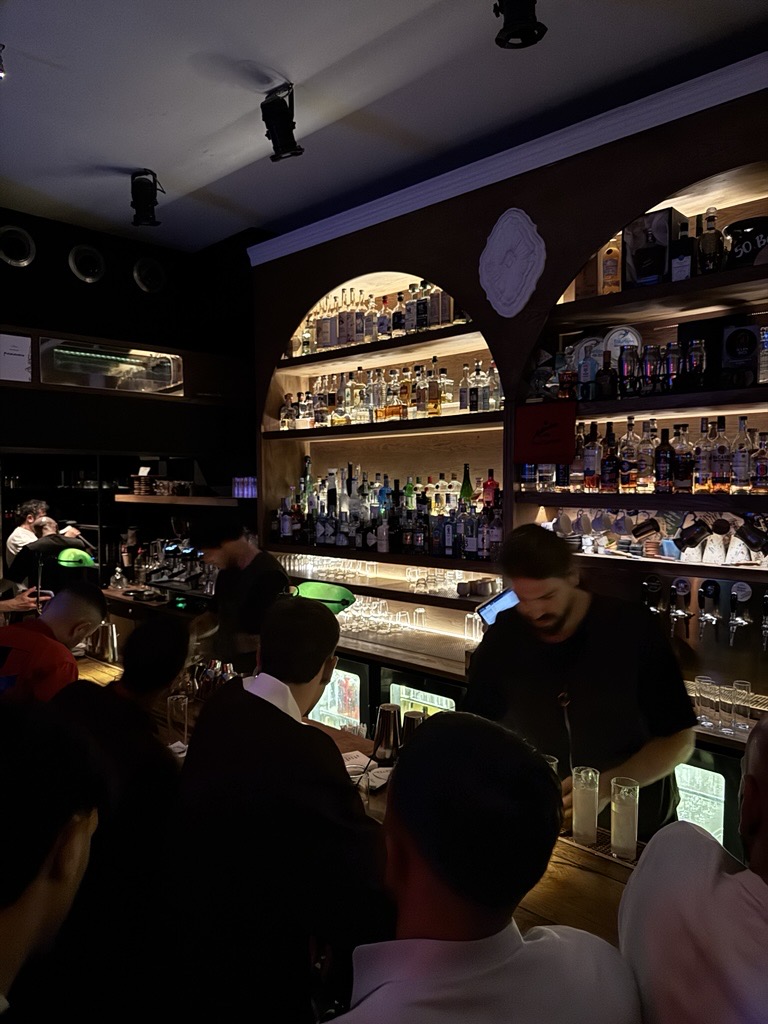
When a full room means a long wait
Let me be clear that the bartenders I watched were brilliant, but they were working in conditions that would have tested anyone.
Hundreds of people squeezed into a bar that doesn't normally operate like that, served by bartenders at the top of their craft who are used to paced, detailed and personal service, suddenly asked to bang out volume in an unfamiliar environment in front of their peers. Having spent 12 years in bar operations, I know that’s not a combination where anyone can deliver at their absolute best.
The result is staff stretched thin, a crowd five deep and, on one night, a 45-minute wait for a drink. I've come from that industry; I understand the pain of a hectic service, and I’m not going to complain about it, so I shrugged and found someone to chat to. But it made me think.
Picture someone visiting Athens for the week who has heard incredible things about a bar. They walk in to find a sea of wristbands, a menu that isn't the bar's own and a 45-minute wait. That's their one experience of a world-class bar, and any bar wouldn’t want it to be the one they remember.
And here's the bit brands should think about. Their drink is in that glass. The memory of a slow, stretched night attaches to the brand on the menu as much as the bar on the door.
What bartenders tell us they actually remember
There's plenty of upside, too. A takeover lets local bartenders see world-class technique up close, gives the visiting team a reason to be in the city and creates a genuine buzz around a show week.
At Barfly, we hear the same thing again and again from the trade. When bartenders describe the best part of a brand experience, they talk about meeting amazing, like-minded people, seeing another part of the world, its culture and ingredients, and having a properly good time with a brand that cared enough to invest in it. The shift barely gets a mention.
Bartenders remember the brand that took them somewhere, taught them something, introduced them to peers from across the world, and treated them like VIPs. They rarely remember the night they spent apologising to a queue.
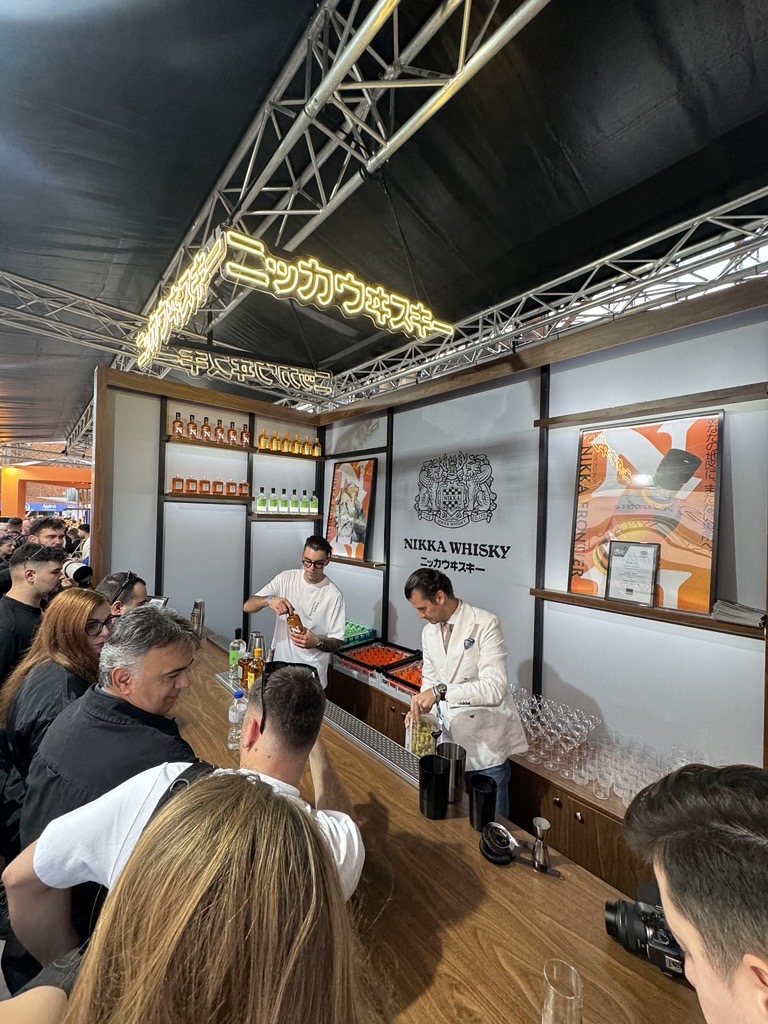
Make it an exchange
But the trade is already asking questions. The Spirits Business has asked whether we’ve hit ‘peak takeover’, and Class has noted brand investment in takeovers starting to dip. With budgets tight, it’s worth being honest about which part of the spend earns its keep.
So here’s my suggestion. Drop the takeover and keep the exchange.
Fly the bartenders in and bring them to a world-class bar as guests of the team. Introduce them to the people who run it, get them in on the prep shift before service, give them a tour of the operation and let them swap ideas with bartenders who do things differently. An afternoon of prep teaches far more than a night firing out drinks to a crowd five deep. It also lets the host bar show itself at its best, on a normal night, to its normal guests.
Then spend the rest of the weekend getting deep into the culture. The markets, the producers, the local spirits and ingredients, the long lunches and the late nights with like-minded people from around the world. That’s the part bartenders tell us they remember, and it puts the brand in the role of host.
Then measure what actually changed: how the bartenders involved feel about the brand afterwards, and whether it ends up on their back bar back home. A full room is easy to photograph. Loyalty takes more work to see.
Written by: Ryan Prescott, Strategy Consultant.