Premiumisation is in every earnings call and every strategy deck. The majors have built a decade of investor language around it. But with economic pressure and shifting occasions reshaping decisions at the bar, I think “premiumise” has become a misdirect.
The word most brands are really reaching for is desirable. Being desirable doesn’t mean being the most expensive thing on the back bar. It means having the best overall offer at your price.
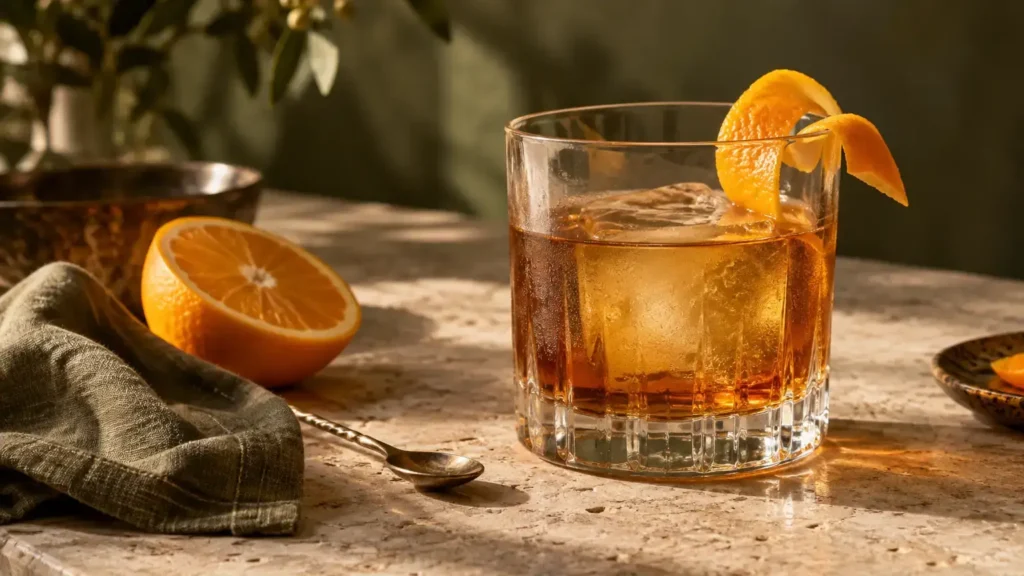
The difference matters. For a spirits brand, the shortcut to premiumisation is a serve like the Old Fashioned. It’s premium in the traditional sense. But it locks the brand into one occasion, one type of drinker and a high price per serve, with limited volume behind it.
Desirability is a longer equation with more moving parts. A brand has to be ownable, relevant and genuinely good, and the whole package has to feel worth paying more for. It’s a strategy for earning a price and building demand, not simply backing yourself to be more expensive. That’s where a lot of premiumisation strategies are quietly failing.
IWSR’s numbers make the case better than I can. Between 2022 and 2025, price-per-litre growth across beverage alcohol consistently lagged inflation. By 2025, PPL was up just 1% against inflation of 4%. Strip that out and a good chunk of the reported “premiumisation” wasn’t consumers trading up at all. It was prices catching up with costs. IWSR’s Luke Tegner asked brand owners directly: is your premiumisation strategy a pricing story or a genuine consumer experience story? For most, honestly, it’s been the former.
And the market has started to punish that gap. US core spirits sales fell 5.7% in the year to March 2026. The $50–99 tier was down 8.8% and $100+ was down 9.3%. Tequila, the poster child of the last cycle, saw its $100+ segment fall by more than 16% in volume. That isn’t consumers rejecting quality. It’s consumers rejecting price tags that were never matched by a reason to pay them.
Compare premium RTDs: up 15% in volume and 21% in value in 2025, at one of the highest average prices per serve in the business. They’re expensive, and they’re growing anyway, because they’ve built desirability properly. They have a clear occasion, a simple repeatable serve and a ritual people want to come back to. Their price per serve is as high as an Old Fashioned’s, but their reach is very different. That’s the Aperol Spritz playbook, not the “add a zero to the RRP” one.
Then there’s the on-trade, where the brand isn’t doing most of the selling. The bartender is. Four in five guests will change their order on a bartender’s recommendation, and the average bartender influences around 11,000 drink decisions a year. Nobody steers a guest towards a serve they don’t believe in, and nobody keeps recommending a drink that doesn’t deliver. That advocacy is earned by desirability, not by price point.
None of this means brands should get cheaper. It means the target isn’t the price tag, it’s the reason. With people drinking less often, every drink has to feel like the right call, not just the pricier one.
Written by: Toby Chantrell, Head of SHIFT